Recent Post
When ordering an MX11769 image intensifier tube, performance specifications are only part of the decision.
FOM, SNR, resolution, phosphor type and auto-gating all affect the tube itself, but none of those specifications tells you whether the tube will connect correctly to the manual-gain system inside your night vision housing.
That is where the distinction between pigtail and three-wire MX11769 tubes becomes important.
Both can support manual gain control. The important difference is how the gain-control interface connects to the housing.
For an experienced builder, the difference may be obvious when the tube and housing are in front of them. For someone replacing a tube, ordering a bare housing, or specifying components for a new build, it is easy to overlook.
If you are currently looking at a traditional pigtail configuration, the
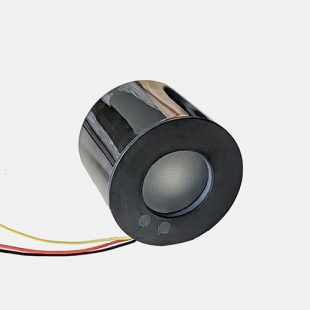
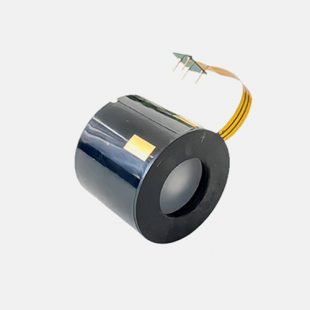
MX11769 pigtail manual gain image intensifier tube
is available through the LinduNV Store in different performance and phosphor configurations.
Before comparing the interfaces, it is useful to separate the connection type from the tube's optical performance.
Both the
MX11769 pigtail tube
and the
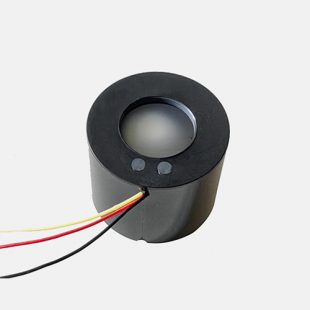
MX11769 three-wire tube
belong to the 18 mm MX11769 family and are designed for manual-gain night vision systems.
Depending on the specific version, MX11769 tubes can also be supplied with different phosphor types, FOM grades and power-supply configurations.
This means that pigtail versus three-wire is not a Gen 2+ versus Gen 3 comparison, and it is not an image-quality grade.
It describes the external interface used by the manual-gain system.
The traditional MX11769 pigtail configuration uses a flexible external lead associated with the tube's manual-gain control.
In a compatible housing, this interface connects the image intensifier to the housing's gain-control circuit. The operator can then use the gain control on the device to adjust the amplification level of the tube.
This configuration is commonly associated with manual-gain PVS-14-style systems and other housings designed around an MX11769 pigtail interface.
The pigtail is part of the tube-to-housing control interface. It is not simply an accessory cable attached to the image intensifier.
That distinction matters during installation. The housing must provide the correct electrical connection and enough internal clearance for the interface to be positioned correctly.
LinduNV's MX11769 pigtail tubes are designed for compatible manual-gain platforms, including selected PVS-14-style monoculars and binocular systems.
A three-wire MX11769 performs the same general manual-gain function but uses a different external connection arrangement.
The basic operating principle does not change. The housing still needs a compatible manual-gain control circuit, and that circuit must communicate correctly with the tube.
What changes is the physical form of the external connection.
A three-wire MX11769 should be treated as a distinct interface configuration even when the tube body and optical format are otherwise similar to a pigtail MX11769.
LinduNV's three-wire MX11769 versions are designed for compatible manual-gain housings, including selected PVS-14 gain-control housings and binocular platforms.
The important point is that the housing must be electrically configured for the interface being installed.
| Feature | MX11769 Pigtail | MX11769 Three-Wire |
| Gain Mode | Manual gain | Manual gain |
| External Interface | Pigtail-style connection | Three-wire connection |
| Compatible Gain Circuit Required | Yes | Yes |
| PVS-14-Type Use | Compatible manual-gain housings | Compatible three-wire/manual-gain housings |
| Image Quality Advantage | Not determined by interface | Not determined by interface |
| Directly Interchangeable? | Only when the specific housing and electrical configuration support the selected interface | |
An image intensifier tube does not operate as an isolated component. It is part of an electrical, mechanical and optical system.
In a manual-gain night vision device, the housing has to do more than supply power. Its gain-control circuit also needs to connect correctly to the image intensifier.
This is why two housings that both belong to the PVS-14 family may not necessarily use exactly the same internal tube interface.
The
LinduNV Manual Gain PVS-14 Housing Kit
is an example of a housing built around user-adjustable gain.
When selecting a replacement tube, it is therefore better to identify the housing first and the tube second.
“MX11769 compatible” is useful information, but it does not always tell you everything you need to know. The exact gain-control interface still has to be confirmed.
Not because of the interface itself.
The pigtail or three-wire connection determines how the manual-gain system interfaces with the housing. It does not by itself determine the performance of the photocathode, microchannel plate or phosphor screen.
When comparing two compatible tubes, image quality should be judged from the specifications and condition of the individual image intensifier.
Relevant specifications include:
A high-SNR, clean-screen pigtail tube may provide a better image than a lower-spec three-wire tube, while the opposite can also be true.
Choose the interface for compatibility. Compare the individual tube specifications for image performance.
Manual gain and auto-gating are often mentioned together, but they describe different functions.
Manual gain refers to the operator's ability to adjust tube amplification through a compatible control on the housing.
Auto-gating refers to the operation of the tube's power supply under changing illumination conditions.
An MX11769 can therefore support manual gain while also using an auto-gated power supply, depending on the specific tube configuration.
For a more detailed explanation of gain control, read:
Auto Gain vs. Manual Gain: Which Night Vision Control Is Right for You?
Not automatically.
The two versions may share the same general 18 mm MX11769 format and both may support manual gain, but that does not make their external connections identical.
A successful replacement depends on the internal design of the housing.
Before changing from one interface to another, confirm:
If the device was supplied as a complete night vision system, identifying the tube already installed is often the most useful starting point.
Similar tube dimensions do not guarantee electrical compatibility.
Start with the specific housing model rather than only the general night vision platform.
Different commercial PVS-14-style housings can use different internal configurations.
If the device has a functional external gain control, the replacement tube needs to work with that circuit.
A housing without external gain control may require a different tube configuration.
Do not stop after confirming that the housing accepts an MX11769.
Check whether it expects a pigtail interface, a three-wire interface, or another specified manual-gain arrangement.
Once interface compatibility is confirmed, compare FOM, SNR, resolution, phosphor type, auto-gating, gain range and screen quality.
Interface and image performance are two separate parts of the purchase decision.
A binocular system adds another requirement. Both tubes must be electrically compatible with the housing, but their image characteristics should also be reasonably well matched.
Resolution, SNR, gain, phosphor appearance and screen characteristics can all affect the viewing experience when two tubes are used together.
For more on this process, see:
How We Match Two Image Intensifier Tubes for an LDNVG31
.
There is no universal answer because PVS-14-style housings are available in different electrical configurations.
For a manual-gain housing built around the traditional MX11769 pigtail connection, a pigtail tube is the natural choice.
A three-wire MX11769 can also be used in a compatible PVS-14-style manual-gain housing when that housing has been designed for the three-wire interface.
The housing specification should therefore take priority over a general statement such as “PVS-14 compatible.”
Manual-gain binocular systems can also use MX11769-type image intensifiers, but the correct interface still depends on the housing design.
The same rule applies: define the housing and its electrical architecture first, then select the matching tube.
For a new build, choosing the housing first usually makes tube selection much more straightforward.
If your housing requires this configuration, you can check the available
MX11769 pigtail manual gain tubes
in the LinduNV Store and compare the currently available phosphor and performance options.
If the connection type is uncertain, confirm the housing configuration before ordering the tube.
FOM is easy to compare, so it naturally receives a lot of attention when buyers look at image intensifier tubes.
But compatibility has to come first.
A higher-performance tube with the wrong interface does not become compatible simply because its FOM is better.
Housing compatibility first. Tube performance second.
Once the correct pigtail or three-wire configuration has been established, then compare SNR, resolution, FOM, EBI, halo, phosphor and screen cosmetics within the compatible tube options.
Pigtail and three-wire MX11769 tubes address the same basic requirement: providing a compatible night vision system with external manual gain control.
Their main difference is the interface used to connect that gain-control function to the housing.
For that reason, neither version should be considered inherently more advanced or capable of better image quality simply because of its connection type.
The correct MX11769 is the one that matches the housing.
If you are planning a replacement or a new build, identify the housing, manual-gain circuit and required connection style before comparing performance grades.
You can also browse the complete
LinduNV image intensifier tube range
for MX11769, MX10160 and other available tube configurations.
Both are manual-gain image intensifier configurations. The main difference is the external connection used between the tube's gain-control system and the compatible night vision housing.
No. The interface itself does not determine image quality. Performance should be compared using the individual tube specifications, including SNR, resolution, FOM, gain, EBI, halo and screen condition.
Yes. Both pigtail and three-wire MX11769 configurations can support user-adjustable gain when installed in a housing with the appropriate gain-control electronics.
Only when the specific PVS-14-style housing is configured for the three-wire interface. The electrical configuration of the housing should be confirmed before installation.
Not as a general rule. Similar physical dimensions do not guarantee electrical compatibility. The housing's manual-gain connection needs to support the replacement tube's interface.
No. Auto-gating and the external manual-gain interface are separate specifications. The power-supply specification of the individual image intensifier should be checked separately.
You can check current configurations and availability on the
LinduNV Store MX11769 pigtail product page
.
The exact housing model, existing tube type, manual-gain configuration and clear information about the current tube interface are the most useful details for confirming whether a pigtail or three-wire version is appropriate.