Recent Post
The first thing to check is how your night vision device connects to a mount.
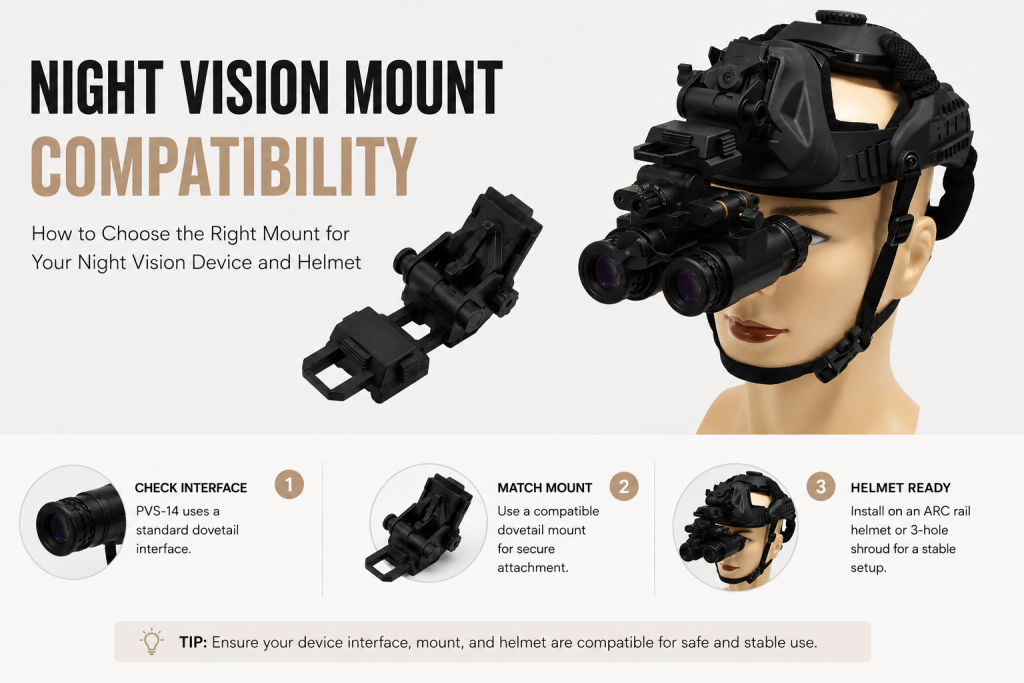
Most traditional analog night vision devices use a dovetail interface, which has become the industry standard for tactical and professional applications. Devices such as the PVS-14, PVS-7, and PVS-31 are commonly configured around this system.
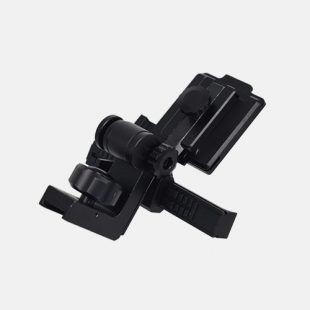
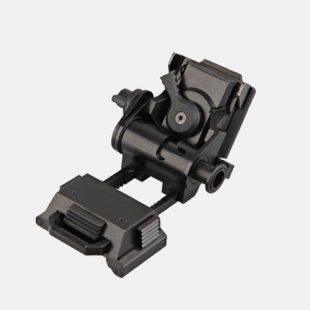
A dovetail interface allows the device to lock securely into compatible helmet mounts such as the G24-style Mount. while still providing quick attachment and removal when needed.
If your device already includes a dovetail connection, installation is usually straightforward and requires no additional adapters.
Digital night vision devices can be slightly different.
Many commercial digital units are designed with a standard 1/4-inch tripod thread rather than a dovetail mount. While this works well for handheld use, it requires an adapter before the device can be mounted on a helmet.
In most cases, a tripod-to-dovetail adapter is the simplest solution. Once installed, the device can be used with many standard helmet mounts.
Some digital night vision products use proprietary mounting systems instead. For these models, it is important to verify compatibility with the manufacturer before purchasing accessories.
Your helmet plays an equally important role in the setup.
Modern FAST and high-cut tactical helmets typically feature ARC rails on both sides. These rails allow users to attach accessories and are commonly paired with night vision systems.
ARC rail helmets are popular because they provide a stable platform and usually require little or no modification for installation.
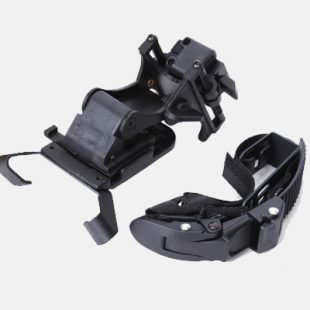
Some MICH and PASGT-style helmets do not include side rails. In these cases, a front helmet shroud is required before a night vision mount can be attached.
A standard three-hole shroud is generally preferred because it offers better strength and distributes weight more evenly across the helmet.
The weight of your night vision device should also influence your mount selection.
Single-tube devices such as the PVS-14 are relatively lightweight.Many users pair the PVS-14 with a compatible J-Arm and helmet mount for hands-free operation. Most quality helmet mounts can support them without issue, making them a flexible option for general outdoor use.
Dual-tube night vision systems place more stress on the mount due to their additional weight. A reinforced mount combined with a properly installed three-hole shroud helps maintain stability and reduces unwanted movement during use.
For users who spend extended periods wearing night vision equipment, this difference can have a noticeable impact on comfort.
Many mounting issues are caused by simple compatibility errors.
Before purchasing, avoid these common mistakes:
1.Assuming all night vision devices use the same mounting interface
2.Purchasing a dovetail mount for a device that only has a tripod thread
3.Installing a rail-specific mount on a helmet without rails
4.Using lightweight mounting hardware for heavier dual-tube systems
5.Overlooking manufacturer-specific mounting requirements
Checking compatibility beforehand can save both time and money.
·Standard dovetail mount
·ARC rail helmet or three-hole shroud
·Reinforced helmet mount
·Three-hole helmet shroud
·Tripod-to-dovetail adapter
·Compatible helmet mount
·Manufacturer-specific adapter or mount
Not always. The helmet must have either an ARC rail system or a compatible helmet shroud.
Most digital night vision devices require a tripod-to-dovetail adapter.
No. Compatibility depends on the mounting interface, helmet type, and device weight.
Choosing the correct night vision mount is essential for stability, comfort, and long-term reliability. Before purchasing, always verify your device interface, helmet configuration, and mounting requirements to ensure full compatibility.
·PVS-14 Night Vision Monoculars
to build a secure and reliable night vision system.