Recent Post
Diopter (symbol: D) is a unit of measurement for the refractive power of an optical system (e.g., lenses, eyepiece lens), defined as the reciprocal of the focal length (f). The calculation formula is: D=1f (unit: meters, m). For example, a lens with a focal length of 0.5 meters has a diopter of +2D (convex lens that can focus light), while a lens with a focal length of -0.25 meters has a diopter of -4D (diverging light, concave lens).
Diopter is widely used in eyepiece adjustment of glasses, microscopes, telescopes and optoelectronic imaging equipment (such as pvs31 night vision goggles and thermal imagers) to ensure that users with different vision can clearly observe the target image.
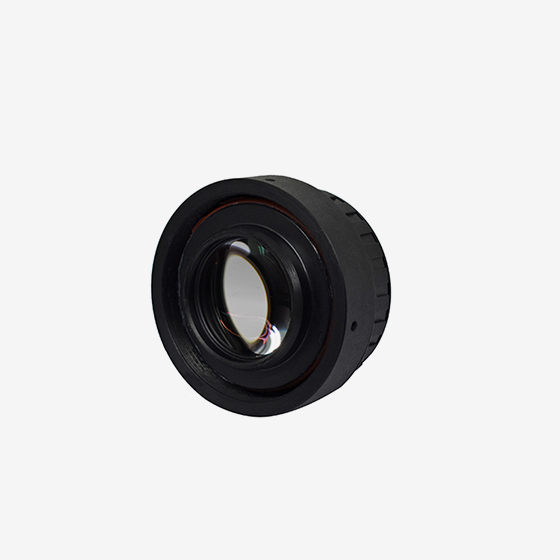
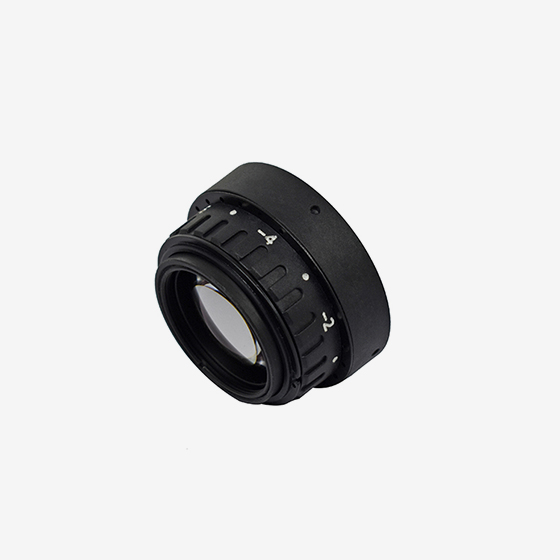
PVS 14 night vision use image intensifier tubes (IIT) to amplify low ambient light (such as moonlight and infrared radiation) and convert them into visible images. Due to the different degrees of refractive error (such as myopia and hyperopia) among different users, night vision goggles are usually equipped with adjustable diopter rings (usually ranging from ±2D to ±5D), which change the equivalent focal length by axially moving the lens set to make the retinal image clear.
Adjustment steps:
Thermal imagers use IR detectors (such as vanadium oxide microbolometers) to convert target thermal radiation into visible images. The eyepiece diopter adjustment methods include:
Diopter is a key parameter for the optical system to adapt to human vision, and its adjustment ability directly affects the user experience of pvs14 nvg night vision devices, thermal imagers, etc. Through accurate diopter compensation, it can ensure that users with different vision can obtain clear and low-distortion observation effects, which has important application value in the military, security and medical fields.